What is welding?
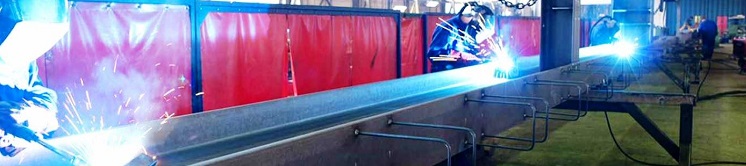
Welding is a technique for joining two metals by melting them together. This is done by means of heat and/or pressure and can be performed using various welding processes, such as MIG - MAG, TIG, electrode welding, and laser welding.
Welding is widely used in metalworking and construction industries, as well as in automotive and shipbuilding, the aerospace industry, and pipeline manufacturing.
In welding, it is important to consider factors such as material type, welding position, and welding parameters to achieve a strong and durable weld.
In addition to naming processes such as MAG or TIG, specific welding numbers are also often used.
Below is an overview of these frequently occurring numbers:
Welding process numbers:
- 111 - BMBE - Electrode welding
- 121 - OP - Submerged arc welding
- 131 - MIG – Aluminum
- 135 - MAG - Steel and stainless steel
- 136 - MAG - Flux-cored wire
- 141 - TIG welding
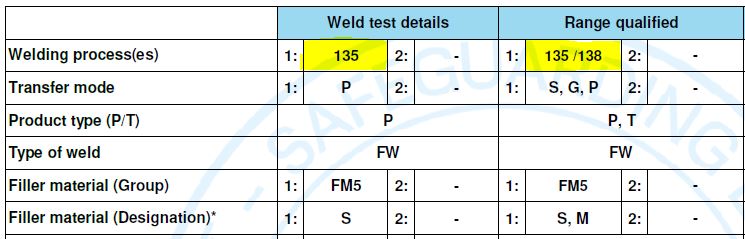
Example code 135 on certificate
The difference between MIG and MAG
Often a MIG/MAG welder is referred to for welding steel, etc.
But in fact, this is a misnomer.
MIG is the welding process for welding aluminum. (131)
MAG is the welding process for welding steel and stainless steel. (135)
The I in MIG stands for inert gas, and the A in MAG stands for active gas.
Inert gas:
The gas does not react with the weld pool.
Active gas:
The gas does react with the weld pool.
The most common welding methods for us are the MAG and TIG welding processes.
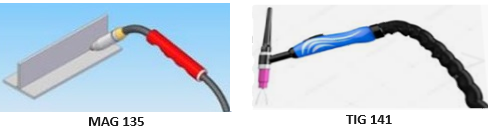
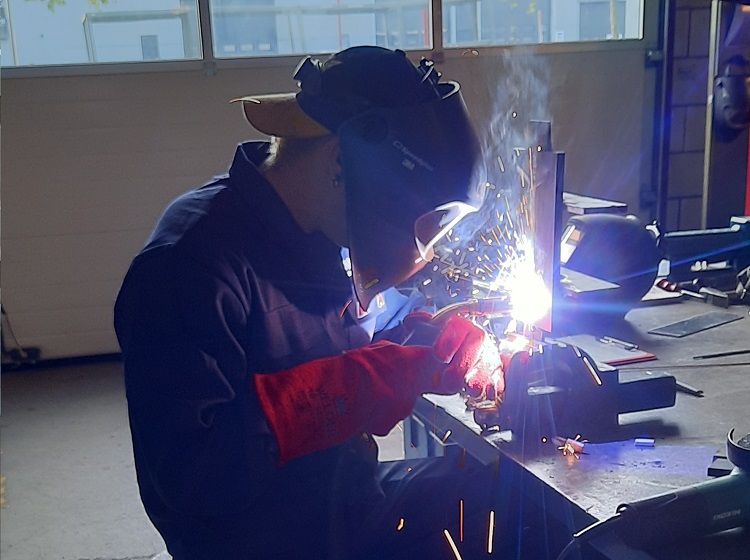
Photo of MAG welder (135)
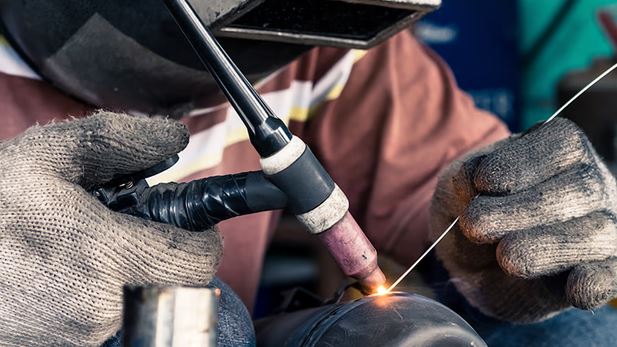
Photo of TIG welder (141)
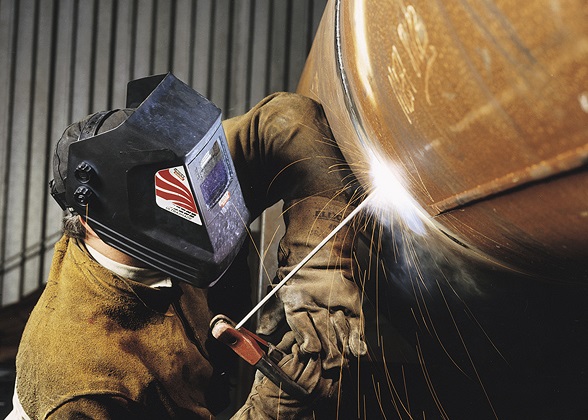
Photo of electrode welder (111)
In the other chapters, TIG and MAG welding are discussed in more detail.